
I appreciate games that understand the impact of visuals https://luckyjetcasino.uk/. A great game goes beyond aesthetics; it creates a world that captures you the instant it loads. That’s the feeling I have with Lucky Jet. The game’s art is a clever mix of kinetic action and eye-catching style, making something that’s both thrilling to play and lovely to observe. This consistent improvement in artistry is a major part of its appeal, building a environment that’s as fun to observe as it is to play.
Building a Cohesive Visual World
Stunning elements are wasted without harmony, and this is where the game’s art direction stands out. From the lobby to the main screen, a uniform visual design holds everything together. The fonts are modern, sleek, and approachable, matching the game’s friendly but thrilling mood. All the icons have the same smooth, wind-cutting feel, mirroring the curves of the jet pack. This uniformity builds a strong, credible brand that users recall.
This unified world shows up during special events too. For limited-time tournaments, the interface receives a careful redesign. These are well-considered revamps with updated colors and pilot outfits that always preserve the fundamental structure. It stays engaging for veterans and demonstrates a commitment to world-building, transforming a single game into a visual platform that evolves.
The Starting Point: From Practical to Stunning
Every visual journey has its origins, and Lucky Jet’s beginnings are all about clever, sensible options. The earliest iteration of the game made clarity a priority. The team knew that a game about a character soaring upward with live multipliers demanded a crystal-clear screen. They selected clean lines, a distinctive color scheme to highlight the pilot, and big, legible numbers. This arrangement made sure the main action was always clear, proving that great visuals are rooted in perfect readability.
Emphasizing the Player’s Eye
Those early designs were designed to steer your attention. The pilot had just enough charm to be appealing, but not so much detail that it cluttered the view. Backdrops used muted colors and simple patterns so the foreground action always drew the eye. This careful layering of visuals allowed players to decide rapidly without searching the entire screen. It was a approach that honored the game’s pace and the player’s desire for a clear display.
Hue Science and Atmospheric Dimension
Consider the game’s palette. Little here is coincidental. The creators use color knowledge with a subtle hand. The core interface relies on blue and purple tones, colors we associate with stability and calm. This creates a relaxed visual foundation. The serene backdrop forces the bright oranges and yellows of the aircraft and its multiplier trail pop off the screen, drawing your gaze right to the core of the action.
Creating a Believable World
This intelligent use of color also creates a spatial sense. By shading backgrounds in cooler and softer tones and saving warm, vivid colors for interactive parts, the game constructs a believable feeling of depth. This layering effect isn’t just for show. It assists your brain quickly separate the game from the background, enabling you process the gameplay quicker and sell the illusion of flying through the atmosphere.
The Stream of Advancement: Major Visual Enhancements
The game’s art has grown richer over time. The enhancements I’ve noticed signify a clear leap in quality and mood. The jet’s movements are now more intricate and smooth, giving its climb a sense of real weight and momentum. The multiplier trail got an upgrade too, incorporating particle effects and sleeker graphics that make the climbing figures appear robust and dynamic. These changes pull you deeper into the rhythm of play.
The backdrops have been overhauled. What were once simple static images now feel like actual places. You can now see subtle details, like clouds moving slowly, layers shifting as you scroll, and lighting altering to indicate various periods of the day. This environmental detail doesn’t get in the way of the game. Rather, it envelops the main gameplay in a setting that feels more like a place than an image. It shows a team dedicated to polishing every part of the screen.
Motion: The Heart of the Gameplay
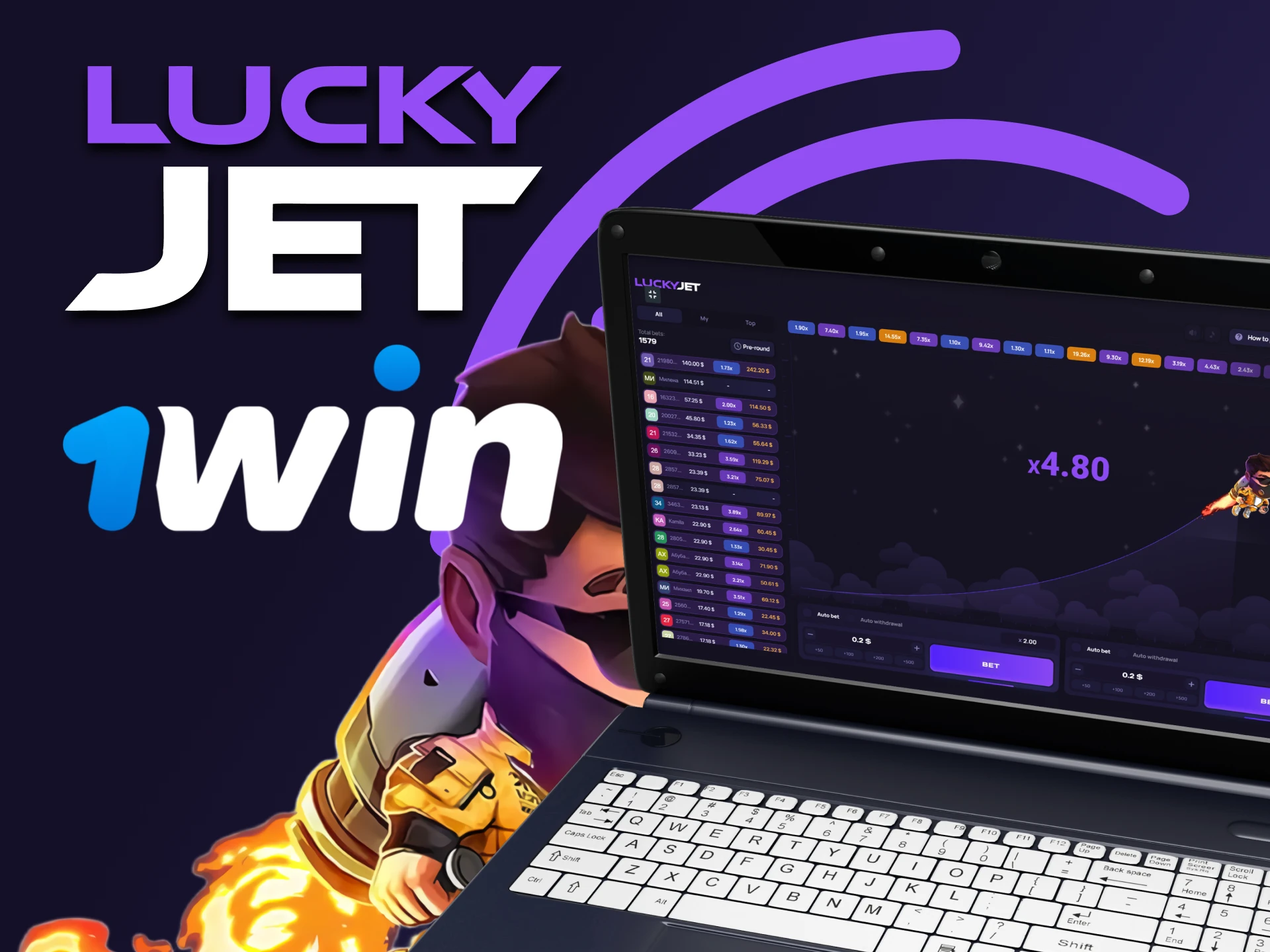
Think of the graphics as the body. The motion is the spirit. Here Lucky Jet’s look comes to life. The smooth, accelerating flight of the character is vital; a glitch would destroy the illusion. Yet the actual brilliance is in the smaller motions. The shimmering multiplier, the slight screen jolt when you collect, the tiny blast after a good round. These touches are the on-screen reactions that create the game seem alive and lively.
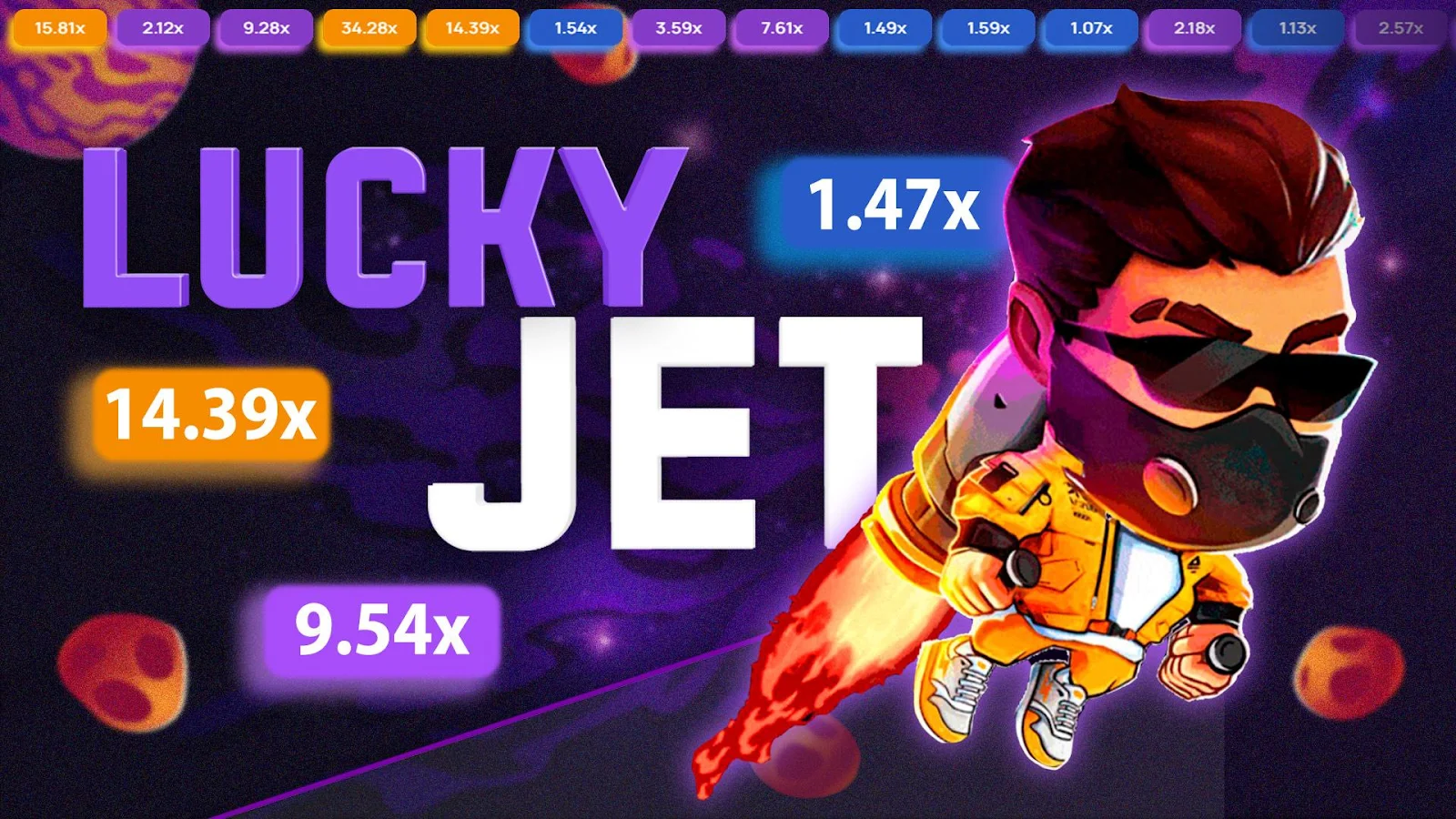
All moving components performs two jobs: to delight the eyes and to convey data. The expanding path behind the character is a real-time chart of your possible win. Digits that grow and shine enable you to see the risks without squinting at text. This combination of beauty and purpose in motion converts a basic game mechanic into a compelling visual show.
Character Design: Greater Than Just a Pilot
The tiny aviator is the icon of the game. It started as a plain game piece, but has acquired real character. We’ve seen special costumes for holiday events, which adds a fun layer of collectibility. The animation work is more sophisticated, giving the pilot small idle movements and reaction twitches that hint at a personality. These elements create a connection between the player and the pixelated figure on the screen.
This focus on the character does beyond just just look good. A strong protagonist gives you something to root for. When the pilot takes off, that sensation of risk and reward has a face. Every part of the design, from the focused look to the shape of the jetpack, communicates the ideas of speed and cheerful adventure. Evolving from a simple game token to a memorable mascot is a big part of what makes the visuals stick with you.
What’s Next for Flight: Anticipating Visual Trends
Examining the path so far, the visual future for Lucky Jet is bright. I anticipate to see more ways for players to personalize the experience, maybe by tailoring jet trails or pilot outfits. Incorporating more advanced lighting, like dynamic shadows or soft rain effects, could create amazing new layers of depth. We might even see bits of story woven in, with short animated clips or backgrounds that change as you advance.
The room for subtle 3D effects is huge, offering a stronger sensation of depth and velocity. As screen technology improves, the art can develop for sharper resolutions and smoother performance. The trick will be blending these new ideas with the game’s core strength: absolute clarity. The developers have shown they know this balance, which indicates a future where the game keeps its spot as a visual standout.
Watching Lucky Jet’s art evolve has been a treat. It demonstrates how thoughtful design, rooted in usability and boosted by creative energy, can turn a clever game mechanic into a memorable event. From its clean, simple start to its lively current state, every dot on the screen aims to build excitement and create a space players want to return to. This progression makes one thing clear: great visuals aren’t just wallpaper. They are a core part of what makes a game engaging and fun.
Leave a Reply