When we step into the world of online gaming, one of the most neglected yet valuable tools at our disposal is the betting limit. At casino wonderluck, we see many players concentrating intensely on game selection and strategy while neglecting the fundamental structure that limits provide. Betting limits are not restrictions meant to limit your pleasure; they are systematic boundaries that protect your bankroll and prolong your playtime. By grasping how to configure and fine-tune these variables, we convert a casual session into a sustainable and mindful experience. The goal here is not to promise guaranteed wins, which no reputable expert can do, but to present a clear framework for handling risk and maintaining control over every wager we put.
Adjusting Bet Sizing to Promotional Wagering Requirements
Bonus deals and introductory bonuses at Wonderluck Casino add an appealing layer of benefit, but they also introduce wagering requirements that influence our ideal betting limit. A wagering requirement requires us to turn over the bonus funds a specific number of times before a withdrawal is feasible. During this period, our bet sizing must juggle two competing priorities: we want to complete the turnover effectively, yet we must steer clear of breaching maximum bet rules included in the bonus terms. Most bonus policies contain a cap on the maximum stake permitted while a bonus is in use, and exceeding that cap can invalidate our winnings entirely.
We advise reading the terms closely to identify the exact maximum bet clause, then establishing our personal limit well below that threshold to sidestep accidental breaches resulting by quick clicking. The ideal bet size during bonus play is frequently a moderate, consistent unit that grinds through the turnover without exposing the balance to severe volatility. If we bet too high, a short losing streak can erase the bonus balance before we meet the requirement. If we bet too low, we might use up time before completing the turnover. A measured approach holds the bet limit stable and methodical, handling the wagering process as a marathon rather than a sprint, which enhances the chance of transforming bonus funds into redeemable cash.
Establishing Loss Limits and Reality Checks
A thorough limit strategy goes beyond setting a per-spin amount; it demands a hard stop-loss for the session. A loss limit is the maximum net negative amount we are prepared to accept before we close the browser tab. We believe that setting this figure as an specific amount, rather than a vague feeling, is essential because emotional decision-making declines rapidly when we are down. If we set in advance that losing twenty percent of our monthly entertainment budget ends the session, we must uphold that boundary as if it were a physical wall. This discipline prevents the dangerous slide where a bad evening turns into a financially stressful week.
Reality checks are just as important and often not used enough. Many platforms feature a timer or a pop-up notification that interrupts play at set intervals to show us our net position and time spent. We should welcome these interruptions rather than dismissing them as annoying. A reality check after thirty minutes of play allows us to assess whether we are still within our loss limit and whether our bet sizing has risen without our conscious awareness. It is typical for players to unconsciously double their stakes after a few wins, a phenomenon known as bet creep. The reality check acts as a reset button, bringing us back to our rational plan and away from the autopilot mode that can quietly destroy a bankroll.
Calculating Session Bankrolls Using Game Volatility
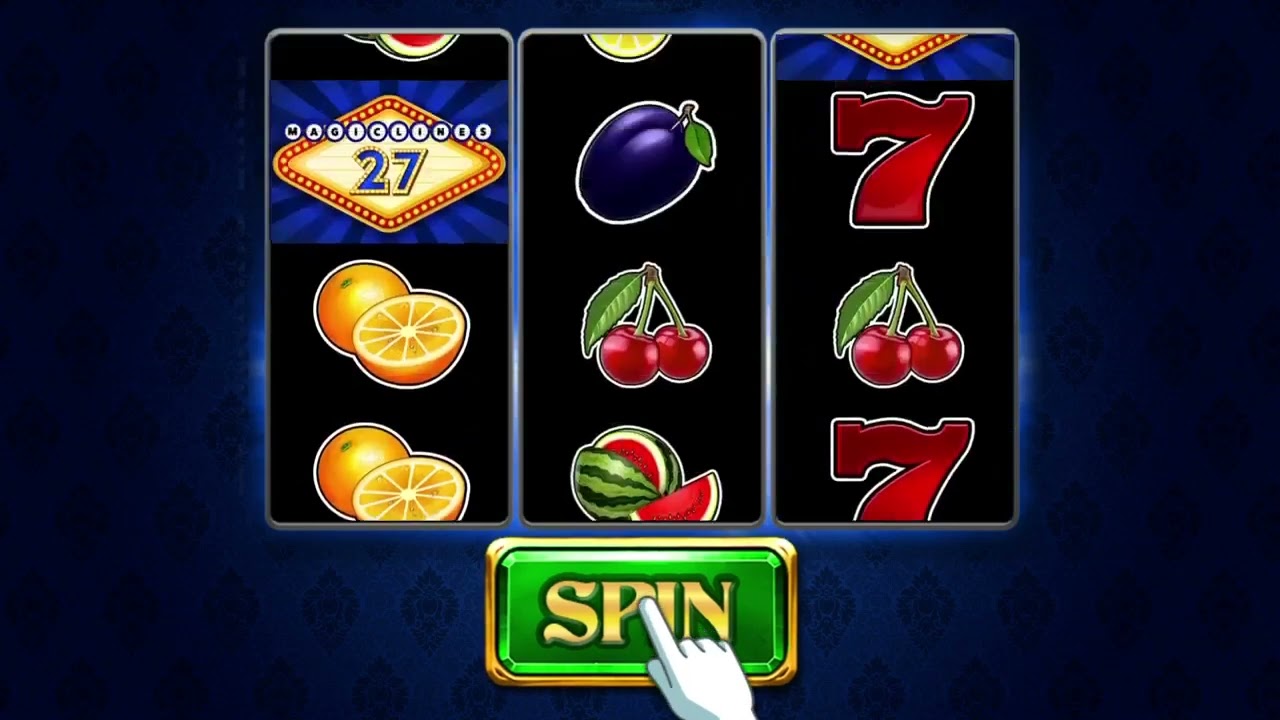
Variance, often known as variance, defines the risk profile of a certain game and governs how frequently and how big the payouts usually are. A high-volatility slot can produce long dry spells punctuated by massive wins, while a low-volatility table game like blackjack provides more stable, smaller swings. Our betting limit should be calibrated to match this mathematical character. If we employ a flat betting unit across all games without adjusting for volatility, we are likely to use up our session bankroll rapidly on a high-variance title. We require a larger reserve of spins or hands to endure the natural negative fluctuations that high-volatility games call for.
For a low-volatility game, we can easily place our base unit at a somewhat higher share of our total session bankroll since the equity curve is usually smoother. A practical rule we follow includes dividing the total session bankroll by two hundred for high-volatility slots, yielding a base bet that can endure extended losing sequences. For low-volatility games, splitting up by one hundred could be sufficient. This is not a rigid formula but a starting rule of thumb that respects the statistical essence of the games. Modifying our limits according to volatility guarantees we do not blame the game for being “tight” when the real issue was an insufficient approach relative to the game’s natural pattern.
Grasping the Main Purpose of Betting Limits
Staking limits function as a pre-committed financial limit that separates recreational play from impulsive decision-making. When we set a limit before launching a game, we are fundamentally making a rational agreement with our future self, who might be swayed by the fervor of the moment. The core purpose is not disciplinary; it is defensive. These parameters help us avoid the common trap of chasing losses, a conduct where we increase wager sizes unreasonably to recover previous downswings. By defining the maximum we are ready to risk on a single spin, hand, or sports outcome, we make sure that variance remains within a manageable psychological range. This practice turns gambling into a calculated cost of entertainment rather than an volatile financial liability.
We often see that players who neglect limits experience a much more intense emotional rollercoaster. Without a cap, a winning streak can boost our confidence to dangerous levels, triggering oversized bets that evaporate profits instantly. In contrast, a losing streak without a floor can exhaust a deposit far more rapidly than anticipated. The statistical reality of house edge means that over time, the casino possesses a statistical advantage. Limits do not alter that math, but they significantly alter the time we can spend enjoying the game. By stretching our bankroll across hundreds smaller, managed interactions instead of a few reckless ones, we maximize the entertainment value we obtain from every dollar deposited.
Using Technology and Account Tools to Maintain Discipline
Modern online platforms deliver an selection of responsible gaming tools that we should view as allies rather than obstacles. Deposit limits enable us to cap the total amount we can transfer into our account over a daily, weekly, or monthly period. This is the broadest form of a betting limit and the most effective for long-term budget control. Once a deposit limit is set and confirmed, it typically cannot be overridden immediately, creating a mandatory cooling-off barrier that shields us from impulsive top-ups after a loss. We recommend setting these limits during a calm, rational moment before any play begins, because requesting an increase after a bad session is precisely the behavior we want to prevent.
Session time limits are another technological safeguard that indirectly regulates betting volume. If we know we have only sixty minutes of access, we naturally space our wagers and avoid the frantic, high-speed clicking that can inflate our effective bet size per hour. Some platforms also offer a maximum bet limit setting that overrides the game’s technical ceiling with a personal cap defined by us. This is a potent feature because it removes the temptation entirely from the interface. When the software prevents us from entering a stake above our predefined threshold, we do not need to rely on willpower alone. Combining these tools creates a layered safety net where technology reinforces our rational intentions, allowing us to focus purely on the entertainment and strategy of the games we love.
Distinguishing Between Table Stake Limits and Your Own Limits
Every game at an internet casino comes with a fixed table limit range, which specifies the minimum and maximum stake the software will allow. These are set by the house to handle their own risk exposure and to categorize players into different categories, from low-stakes casual tables to high-roller VIP rooms. However, we must never mistake the table’s maximum allowed bet with our personal betting limit. Just because a slot permits a spin of five hundred credits does not mean that wager matches our individual bankroll size. The table limit is an external restriction, while our personal limit is an personal discipline based on our disposable income and session goals.
We recommend treating the table minimum as a beginning point for calibration, not the table maximum. If we join a game with a bankroll of two hundred units, placing maximum bets means we could be out of the game in a small number of unlucky rounds. A wise approach involves looking at the lowest available stake and asking whether it permits us to play at least fifty to a hundred decision points. This ratio of bankroll to minimum bet is a key health indicator for our session. By keeping our personal limit well below the technical ceiling, we preserve the freedom to adjust our strategy dynamically without ever hitting a wall that forces us to stop playing prematurely due to depleted funds.
Identifying the Mental Traps of Unbounded Betting
The removal of limits generates a emotional atmosphere where cognitive biases thrive unchecked. One of the most influential is the illusion of control, where we wrongly think that increasing our bet size after a loss will somehow affect the random outcome of the next round. This is the engine behind the Martingale system and other dangerous progressive betting schemes. When we increase twofold our stake after every loss, we are not modifying the house edge; we are merely accelerating the speed at which we can encounter the table limit or our personal financial ceiling. A strict betting limit negates this impulse by taking away the option to escalate, forcing us to acknowledge losses as statistical events rather than personal challenges that require a larger response.
Another trap is the sunk cost fallacy, which suggests that we have currently lost so much that we must continue playing to recover it. A pre-set loss limit serves as a circuit breaker for this harmful thought loop. We also face the “near miss” effect, notably on slots, where symbols align almost perfectly, activating a dopamine response comparable to a real win. These near misses can trick our brain into upping the stakes because we sense a win is imminent. By fixing our bet size to a fixed limit, we reduce the emotional reaction to these design elements. We recognize the excitement but do not let it overwrite our financial script for the evening, keeping our decisions collected and objective.