The Psychology of Risk and Reward
The allure of casino gambling often lies in the intricate relationship between risk and reward. Gamblers are drawn to the thrill of potentially winning large sums of money, which plays into their psychological needs and desires. This concept is deeply rooted in behavioral economics; the prospect of a significant payoff can overshadow the logical assessment of the odds. This phenomenon, known as the “gambler’s fallacy,” leads players to believe that past outcomes will influence future results, compelling them to chase losses or make irrational betting decisions. Interestingly, many individuals might explore various gambling options, including casino online pa, as they seek both excitement and the potential for substantial wins.
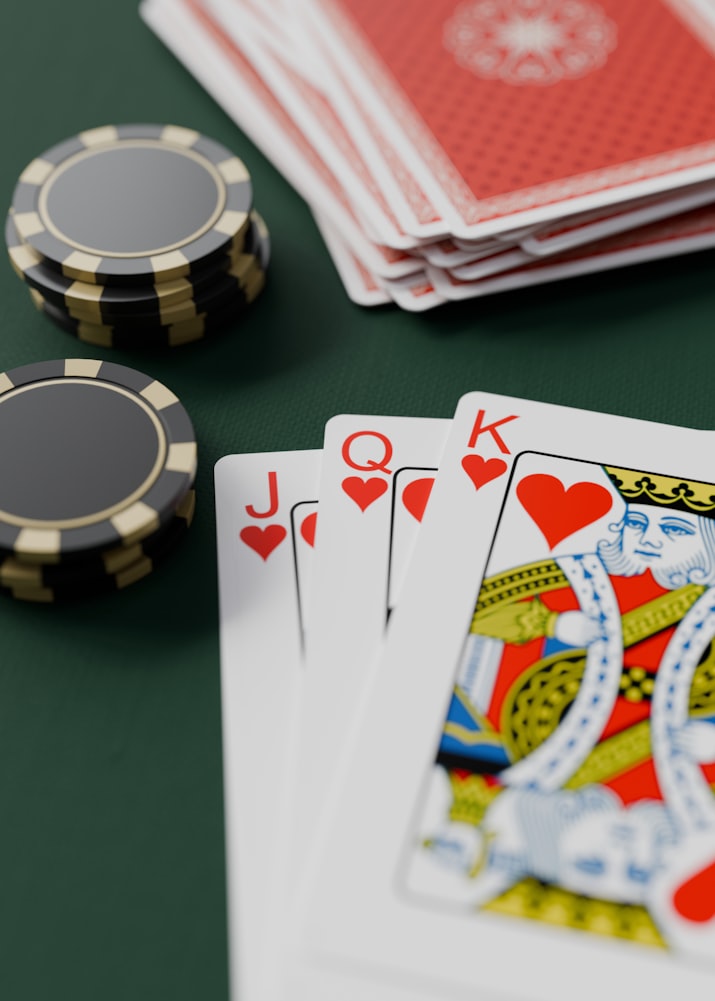
Moreover, the psychological reward of gambling is not solely financial. The adrenaline rush associated with placing bets and the excitement of the game can create a euphoric experience, often leading to what psychologists term “near-miss effects.” When gamblers come close to winning, their brains release dopamine, reinforcing the desire to continue playing. This emotional rollercoaster can create a cycle of behavior that makes it difficult for individuals to walk away, even when they understand the risks involved.
Strategic Thinking and Decision-Making
Casino gambling is not just a game of chance; it requires a level of strategic thinking that varies from player to player. Understanding the psychology behind this strategic decision-making can help explain why certain tactics resonate with individuals. For instance, many gamblers adopt strategies based on probability, risk management, or even superstitions. These strategies are often infused with psychological elements, as players seek to gain a sense of control and lessen the uncertainty of the outcome.
Furthermore, the environment within a casino fuels this strategic mentality. The bright lights, sounds, and even the layout are all designed to stimulate the senses and encourage prolonged play. This sensory overload can lead players to make quick decisions based on instinct rather than calculated strategies, showcasing how the casino environment influences behavior and decision-making processes. As players become engrossed, their strategies may morph based on immediate emotions, which can sometimes lead to more reckless gambling choices.
The Role of Social Influence
Social interaction plays a pivotal role in the dynamics of casino gambling. Whether it’s sharing a table with friends or observing other players, social influences can shape an individual’s gambling strategies. The presence of others can amplify the excitement, leading individuals to take bigger risks or change their approach to the game. This collective behavior often stems from social proof, where people look to others to gauge acceptable risks and strategies.
Additionally, the impact of socialization extends beyond the casino floor. Online gambling platforms allow for community engagement through chat rooms and forums, where players share insights, strategies, and experiences. This exchange of information can lead to the development of popular strategies that may not align with individual risk tolerances but are adopted en masse due to their social endorsement. The psychology of peer influence illustrates the complexities of gambling behavior and strategy formulation.
Emotional Regulation and Gambling Behavior
Emotional regulation is critical in understanding gambling behaviors. Many individuals resort to gambling as an escape from negative emotions or stress. This coping mechanism can lead to a pattern where players employ gambling strategies not solely for the thrill of the game but as a means to manage their emotional state. The anxiety associated with gambling losses can push individuals to adopt more aggressive strategies in an attempt to recover lost funds, further entrenching the cycle of emotional highs and lows.
Moreover, the dichotomy between victory and defeat can profoundly affect emotional wellbeing. Winners often experience elevated moods, while losses can trigger feelings of shame or frustration. This emotional volatility can prompt gamblers to adjust their strategies in unpredictable ways, showcasing the importance of psychological resilience in gambling contexts. Understanding how emotions intertwine with decision-making can provide insights into developing healthier gambling habits.
Marketplan.io: Enhancing Online Gambling Safety
As the landscape of gambling evolves with online platforms growing in popularity, ensuring a safe and secure experience is paramount. Marketplan.io stands out as a platform dedicated to enhancing user security while navigating the online gambling world. With real-time checks and a focus on secure site connections, users can engage in gambling activities with greater peace of mind.
The user-friendly interface of Marketplan.io empowers individuals to take control of their online security preferences, allowing them to focus on the excitement of the game without the added stress of potential risks. By prioritizing safety and reliability, this platform not only enhances the online gambling experience but also promotes a responsible approach to gaming strategies in a digital age.